Make sense of the signal.
Prostate and pelvic symptoms can overlap, change over time, and mean different things in different people. Quentrada helps you organise what you notice, understand what clinicians may ask, and recognise when self-care is not enough.

Known / unknown
“Prostatitis” is not one single experience. Acute bacterial prostatitis, chronic bacterial prostatitis, chronic prostatitis/chronic pelvic pain syndrome, and asymptomatic inflammatory prostatitis are different categories. Symptoms alone cannot reliably tell you which one applies.
Patterns worth recording
- Where pain or pressure occurs and when it changes
- Urinary frequency, urgency, burning or weak flow
- Fever, chills, sudden illness or new inability to pass urine
- Duration, recent infections, procedures and medicines
- What improves or worsens symptoms over a normal week
Things that need clinical assessment
- Identify a bacterial cause from symptoms alone
- Choose antibiotics or decide their duration
- Rule out urinary retention or other urgent conditions
- Interpret blood, urine, examination or imaging results
- Guarantee that a diet, supplement or routine will treat prostatitis
Do not wait on red flags
Pattern board
This tool does not diagnose anything. It simply changes the reading prompt so you can prepare more useful notes for a healthcare visit.
Which description is closest today?
Sudden + unwell
If symptoms began suddenly and you also feel feverish, chilled or systemically unwell, prioritise prompt clinical assessment rather than trying to classify the problem yourself.
Daily variables
These are not universal “treatments”. They are practical observations that can help you notice patterns while following clinical advice.
Fluids
Notice whether very concentrated urine, unusually low intake or large late-evening volumes change comfort or night-time symptoms. Do not force excessive fluid if a clinician has given you other advice.
Movement
Record the difference between gentle walking, prolonged sitting, cycling or other activities. Individual responses vary; pain that increases with an activity is useful information to bring to care.
Food & drink
NIDDK notes that diet has not been shown to cause or prevent prostatitis, although some people report certain foods or drinks worsen symptoms. Treat this as personal observation, not a restrictive diet rule.
Sleep & stress
Sleep disruption and stress can change how pain is experienced and how manageable symptoms feel. Track them as context rather than assuming they are the sole cause.
Medicines
Bring a complete list of prescriptions, over-the-counter medicines and supplements. Do not start antibiotics simply because symptoms resemble a previous episode.
Kenya context
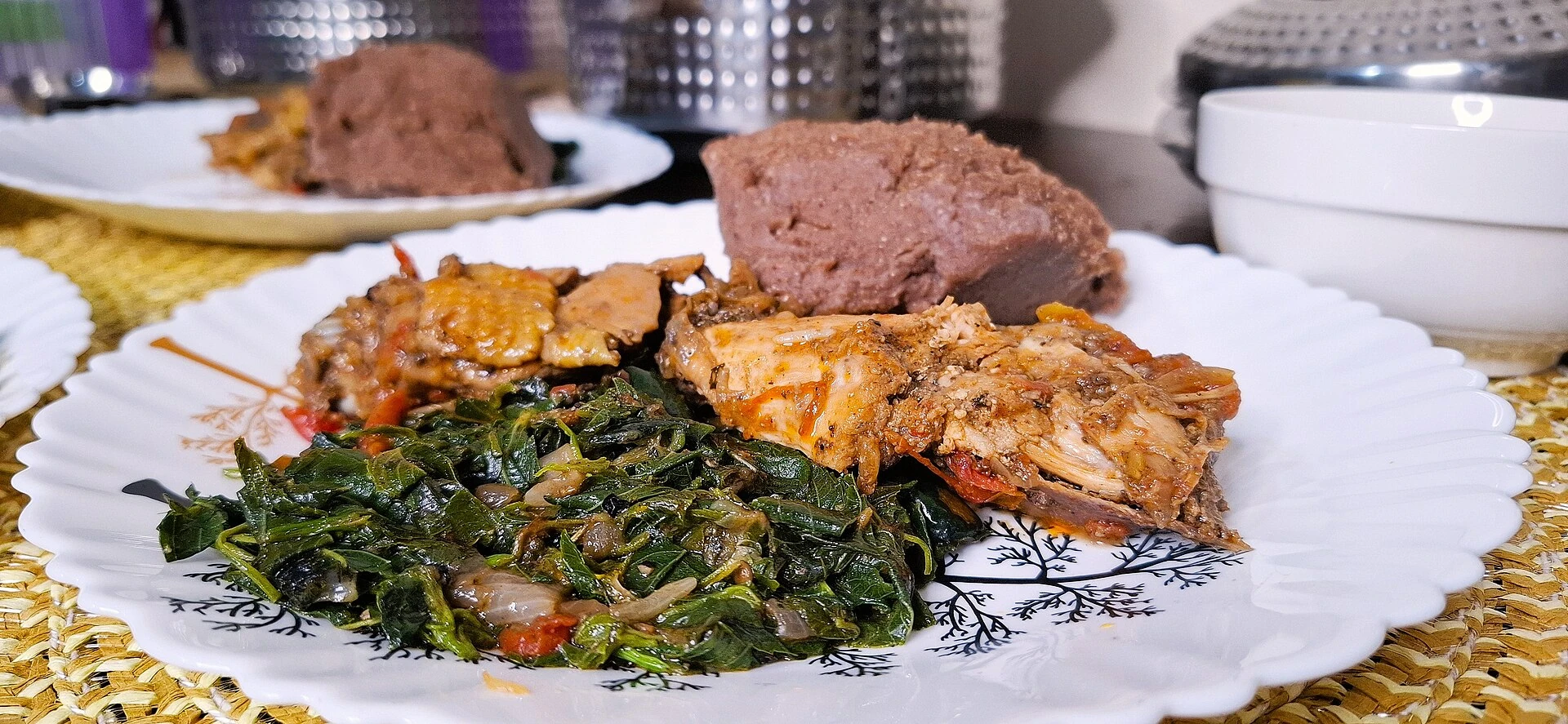
Quentrada uses ordinary local scenes to keep the site grounded in everyday life rather than pseudo-clinical imagery.





Three practical guides
Start with the guide closest to the question you are trying to answer.
How to describe pelvic and urinary symptoms without self-diagnosing
A structured symptom timeline can make a consultation more efficient.
Read guide →GUIDE 02 / DAILY LIFEBuilding a low-drama weekly observation routine
Track sitting, movement, fluids, sleep and symptom changes without turning every day into a medical project.
Read guide →GUIDE 03 / APPOINTMENTWhat to prepare before a prostate or pelvic-health visit
Questions, medicine lists, symptom dates and what clinicians may need to know.
Read guide →Funding ledger
Transparency is part of the product. The site is configured for an affiliate business model, but this production version has no affiliate partner, affiliate links, product buttons or paid destination.